


As tattoo enthusiasts and advocates for smarter tattoo aftercare, we see the same questions every week. Is Aquaphor actually suitable for new ink, or are there more skin-friendly options? This guide details the real pros, unexpected drawbacks, and smarter alternatives for repairing tattoos, backed by science, artists, and years of hands-on experience.
What does Aquaphor really do for your tattoo?
Aquaphor is well-known, widely available, and is often recommended first for tattoo aftercare. This is a thick ointment that combines petroleum jelly (Vaseline) with several humectants such as panthenol and glycerin. What is its main advantage? Forms a protective semi-occlusive barrier that retains moisture and blocks irritants.
This barrier can give your tattooed skin the hydration it needs, especially during the critical first few days after your appointment when your skin needs support. Here’s why so many people use Aquaphor:
It’s also affordable and can be found at most drugstores. This will help soothe the tingling and itching as your new art settles in. It’s fragrance-free and hypoallergenic, so it won’t sting or irritate even sensitive skin.
But here’s the catch: Disadvantages of using Aquaphor
Aquaphor is gentle, but it’s not made for tattoos. Its advantages can become disadvantages during tattoo repair. Here’s what we noticed, both from dermatology and from conversations with the artists at Mad Rabbit Tattoo Studio.
Clogged pores and breakouts: Petroleum-based balms like Aquaphor can suffocate newly tattooed skin, trapping sweat, dead skin cells, and bacteria. This increases the risk of clogged pores and even breakouts (especially if you have large colored tattoos or sensitive skin). Trapping bacteria: If your hands are not clean during application, the same barrier can trap bacteria underneath the ointment, increasing the risk of infection. This is something you definitely want to avoid while healing. Possible ink interruption: If you use a thick layer during the “plasma weeping” stage immediately after getting the tattoo, the smooth occlusion base can combine with that liquid, increasing the risk of minor ink loss. Over-moisturizing: Too much moisture (or applying too much) can cause scabbing and prolong healing, and in the worst case scenario, it can lead to fading and poor long-term results. Not formulated for tattoo aftercare: Aquaphor is designed for superficial skin blemishes and dry patches and does not address the complex needs of inked skin healing, where vibrancy and barrier support are everything.
Understanding the Tattoo Healing Journey
It’s important to note that tattoo aftercare is different from closing a typical cut or scrape. Your new ink represents thousands of tiny, controlled blemishes. Skin needs hydration and protection to heal, but it also needs gentle airflow to promote cell turnover and reduce the risk of infection.
Read our tattoo aftercare day-by-day timeline for detailed instructions for each step.
When is Aquaphor suitable for tattoos?
If you are healing and have used Aquaphor before, there is no need to panic. Most people do not see any dramatic harm, especially if used sparingly for a day or two. But for the first week or two, especially while your tattoo bleeds and peels, occlusive ointments can do more harm than good. Then, once the top layer of the tattoo is closed, using a small amount of Aquaphor in an emergency won’t harm the ink, but you’ll get much better results if you use a product designed for tattoos.
What Science and Artists Agree: What Ingredients Should Be in the Best Tattoo Aftercare Products
Light hydration: Products with ingredients like aloe vera, vitamin E, and glycerin provide serious hydration without interfering with your skin’s natural breathing. Soothing anti-inflammatory agents: Botanicals such as bisabolol (from chamomile) and calendula reduce redness, swelling, and discomfort. Antioxidants: These support cell repair and help protect fresh ink from environmental stressors (city air, sunlight, mask-wearing, etc.). Petroleum and Paraben Free: With fewer fillers and harsh chemicals, there is less irritation, less risk of barrier breakdown, and less chance of your tattoo becoming noticeable over time.
Why are your products specific to tattoos?
Traditional ointments like Aquaphor are a great elixir. But the formula for true tattoo experts is:
Allows skin to breathe Keeps skin hydrated without locking in too much water Reduces the risk of excessive scabbing and flaking Strengthens the natural barrier while temporarily covering the surface as well as repairing Contains only ingredients shown to have no negative interactions with ink molecules
A better alternative for aftercare: tattoo recovery as well as skin recovery
So what’s recommended instead? A fragrance-free, lightweight, dermatologist-tested balm or gel formulated for tattoos is the clear winner. The differences between them are:
Breathable hydration: Featuring aloe vera, shea butter, and vegetable oils (not petroleum jelly), the formula provides hydration while promoting airflow and is non-greasy. Skin Barrier Support: Ingredients such as ceramides, cocoa butter and calendula oil support the skin’s repair mechanisms and soothe the area. Clean Guarantee: The better you know about all the ingredients, the fewer risks you face. Look for clean, vegan, and non-toxic labels backed by dermatological testing.
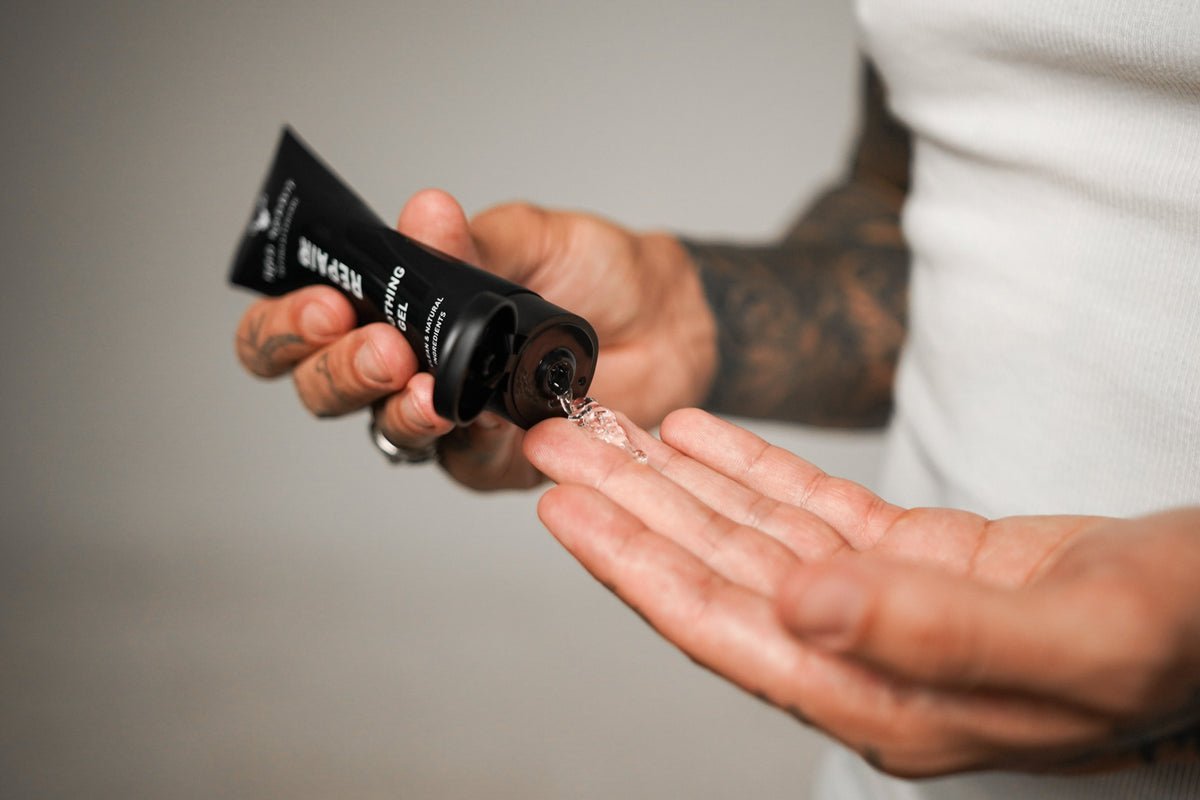
We created the Soothing Gel & Tattoo Balm Set because there is a real gap between drugstore balms and the true needs of modern tattoos. Our formulas omit petrolatum and instead focus on breathable, lightweight hydrating and anti-inflammatory botanicals. Many artists and clients alike have experienced visible improvements in vigor, comfort, and speed of recovery with this approach.
How to do tattoo aftercare like a pro
Start with clean, pat dry hands and skin. For the first few days, it’s safest to apply a light, soothing gel two to three times a day. I want peace, not a heavy mask. When the skin starts to close and peel, switch to a balm that keeps the ink hydrated but allows the skin to breathe. Please use gently and do not apply too much. For best results, continue to avoid direct sunlight, hot baths, or long steamy showers during this period.
Check out our tattoo aftercare instructions and checklist for a step-by-step breakdown.
Avoid common aftercare pitfalls
Applying too thickly: Regardless of your balm or ointment, only apply a thin layer. Excess product does not mean faster recovery. In fact, it can reverse the tattoo. Use scented lotions: Even months after recovery, scents can irritate the skin and affect its vitality. Touching or scratching not only introduces bacteria but also impairs the accuracy of colors and lines. Improper cleaning: Use a gentle, unscented cleaning product made specifically for tattoos (not common body washes).
To learn more about the profound differences in recovery results between medical-grade and over-the-counter products, check out this blog on medical-grade vs. drugstore aftercare.
What about sunscreen after tattoo recovery?
Once recovered, protecting your ink from the sun is critical for both longevity and vibrancy. Using an SPF designed for tattooed skin can help prevent fading and damage from UV rays. (By the way, many commercially available sunscreens contain ingredients that aren’t necessarily suitable for tattoos, so do your research.)

Summary: The do’s and don’ts of tattoo aftercare.
Use products specially formulated to repair tattoos. It’s more gentle and more protective for both your skin and your art. After the initial recovery phase, keep the area clean, hydrated, and out of the sun. Don’t pick at the scab or apply too thick a layer of recovery product. Don’t rely on common ointments throughout your recovery workflow. For the most vivid results, transition to tattoo-specific care as soon as possible.
Creating a smart switch
If you have used Aquaphor, there is no shame. Almost everyone in the tattoo community has used it at least once. But now, with healthier, science-based products designed for tattooed skin, there’s a clear reason to upgrade your routine. Thoughtful aftercare can make the difference between a good tattoo and an unforgettable result.
next step
If you’re ready to level up your recovery journey, there’s never been a better time to prioritize what’s inside (and on) your skin. Check out our tattoo care bestsellers and see why thousands of people in the tattoo community trust formulas created for every stage of an ink’s life. For more detailed advice, check out our daily tattoo healing blog.
Want a complete toolkit for brighter, more resilient ink? Learn about Mad Rabbit and discover why our science-backed tattoo care is preferred by both artists and collectors who want more from their art.
